
 Call us now:

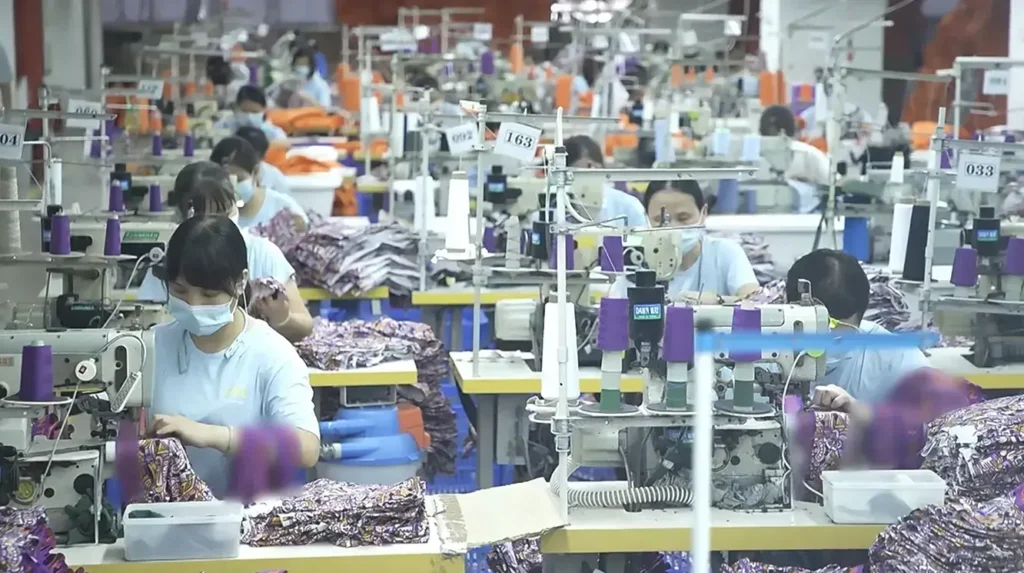
Choosing the right custom underwear manufacturer is one of the most important decisions for a clothing brand. The right manufacturing partner can help you develop better products, control production costs, maintain consistent quality, and scale your underwear line with confidence. The wrong supplier can lead to inconsistent sizing, poor fabric quality, missed deadlines, communication problems, and unexpected production costs.
For startups, established fashion brands, retailers, and private label businesses, selecting a manufacturer should go far beyond comparing unit prices. You need to evaluate product development capabilities, fabric sourcing, customization options, minimum order quantities, sampling, quality control, production capacity, and communication.
This guide explains what to look for when choosing a custom underwear manufacturer and how to evaluate a supplier before moving into bulk production.
Why Choosing the Right Custom Underwear Manufacturer Matters
Underwear is a highly technical apparel category. Small differences in fabric composition, elasticity, pattern construction, waistband recovery, stitching, and fit can significantly affect the final product.
A capable manufacturer should therefore do more than simply produce garments from an existing pattern. For custom underwear projects, the supplier may need to support you with product development, fabric selection, pattern adjustment, sampling, branding, packaging, and production quality control.
This is particularly important when developing products such as custom boxer briefs, briefs, trunks, panties, or other underwear styles where comfort and fit directly influence customer satisfaction.
1. Check the Manufacturer's Custom Underwear Development Capabilities
The first question to ask is whether the supplier actually has experience with custom underwear manufacturing. Some factories specialize in high-volume basic products, while others are better equipped for OEM and ODM product development.
A capable custom underwear manufacturer should be able to help with areas such as:
- Underwear pattern development and construction
- Fabric selection and sourcing
- Size specifications and grading
- Waistband development
- Logo and branding applications
- Labels, tags, and packaging
- Sample development and revisions
- Pre-production sample approval
- Bulk production and quality inspection
For a deeper look at the technical side of underwear development, read our guide to custom underwear engineering.
2. Evaluate OEM and ODM Capabilities
Before choosing a supplier, determine whether you need OEM, ODM, or a combination of both.
With OEM manufacturing, you typically provide your own designs, specifications, fabrics, branding requirements, or tech pack, and the manufacturer produces the product according to your specifications.
With ODM manufacturing, the manufacturer can provide more product development support, including existing styles, construction expertise, materials, and design recommendations that can be adapted to your brand.
Understanding the difference can help you choose a supplier whose capabilities match your product development process.
3. Review Fabric Selection and Material Expertise
Fabric is one of the most important factors in underwear development. The same design can feel and perform very differently depending on the fabric composition, weight, stretch, recovery, softness, moisture management, and finishing.
A reliable manufacturer should be able to explain the advantages and limitations of different materials rather than simply offering a generic fabric list.
Common underwear materials include:
- Cotton
- Modal
- Bamboo-based fabrics
- Polyester
- Elastane blends
- Other performance and blended fabrics
For example, brands focused on softness and a premium hand feel may consider modal, while other product concepts may prioritize breathability, durability, stretch, moisture management, or cost efficiency.
You can learn more in our guide on how to choose fabric for custom boxer briefs.
We also provide dedicated resources for brands comparing different materials, including Modal vs Cotton vs Bamboo Underwear.
4. Make Sure the Manufacturer Can Work With Your Tech Pack
A detailed tech pack helps reduce misunderstandings between your design team and manufacturing partner. It can include measurements, technical drawings, construction details, fabric composition, colors, trims, branding, packaging requirements, and other production specifications.
A manufacturer should be able to review your documentation, identify potential production issues, ask relevant technical questions, and confirm whether the specifications are manufacturable.
Not every brand starts with a complete tech pack. For that reason, it is useful to work with a supplier that has product development experience rather than a factory that only follows finished production specifications.
Learn more about this process in How to Create an Underwear Tech Pack for Manufacturing.
5. Ask About the Sampling Process
Never judge a supplier only by photographs or product catalogs. A sample is one of the best ways to evaluate a manufacturer’s actual capabilities.
During the sampling stage, pay attention to:
- Fabric feel and composition
- Fit and measurements
- Waistband elasticity and recovery
- Stitching quality
- Seam construction
- Logo placement
- Color accuracy
- Overall workmanship
A professional manufacturer should also have a structured revision process. If the first sample is not correct, the supplier should be able to understand your feedback and make the required adjustments efficiently.
Read our article on How to Request an Underwear Manufacturing Sample to better understand what information to provide when requesting a sample.
6. Compare MOQ Before You Place an Order
MOQ (Minimum Order Quantity) can have a major impact on your inventory risk and cash flow, especially if you are launching a new underwear collection.
A low MOQ can be valuable for startups and emerging brands because it allows them to test products and market demand before committing to larger production quantities.
However, MOQ should not be considered in isolation. A very low MOQ may come with higher unit costs, fewer customization options, or restrictions on fabrics, colors, packaging, or production processes.
When evaluating a manufacturer, ask:
- What is the MOQ per style?
- Is the MOQ calculated per color or per size?
- Can different sizes be mixed within one order?
- Can different colors be combined?
- Is there a lower MOQ for sample or test production?
- Does the MOQ change for custom fabrics or packaging?
For more information, read our guide to Custom Underwear MOQ: What Is a Typical Minimum Order Quantity?.
7. Evaluate Customization Options
A strong custom underwear manufacturer should give your brand enough flexibility to create products that are visually and functionally distinctive.
Depending on the supplier’s capabilities, customization may include:
- Custom fabric and fabric composition
- Pantone color matching
- Custom waistband design
- Jacquard waistband logos
- Printed branding
- Woven or printed labels
- Custom size specifications
- Custom packaging
For example, waistband construction can have a significant effect on both product appearance and comfort. Our article on Jacquard vs. Printed Elastic Waistband explains the main differences between these options.
You can also explore our guide to custom underwear with logo for more information about branding options.
8. Check Production Quality Control
Quality control should be evaluated before bulk production begins, not after the goods have already been manufactured.
A reliable manufacturer should have processes for checking:
- Fabric quality and composition
- Color consistency
- Measurements and size tolerances
- Seam quality
- Waistband attachment
- Logo and label placement
- Packaging specifications
- Final product appearance
This is especially important for underwear because inconsistent measurements or elasticity can directly affect fit and comfort.
9. Consider Production Capacity and Lead Time
A manufacturer may be capable of producing high-quality samples but still struggle with larger production orders. Before placing a bulk order, ask about production capacity, standard lead times, peak-season schedules, and production planning.
You should also clarify what happens if your order requires multiple fabrics, colors, sizes, labels, or packaging configurations.
A clear production schedule should normally define the major stages from sample approval to fabric preparation, cutting, sewing, inspection, packaging, and shipment.
10. Review Certifications and Compliance
Depending on your target market and product requirements, certifications and material standards may be important when selecting an underwear manufacturing partner.
Ask suppliers which certifications and compliance documentation they can provide and whether the documentation applies to the specific materials and production processes used for your order.
For brands sourcing materials with sustainability or textile safety requirements, it can also be useful to understand the difference between standards such as OEKO-TEX and GOTS.
11. Evaluate Communication and Response Quality
Good communication is one of the easiest factors to overlook when choosing a manufacturer, but it can strongly affect the success of a custom underwear project.
A reliable supplier should be able to:
- Respond clearly to technical questions
- Identify missing product information
- Explain production limitations
- Provide realistic lead times
- Communicate sample revisions clearly
- Confirm specifications before bulk production
Pay attention not only to how quickly a supplier replies, but also to whether the answers are specific and useful. A fast response without accurate technical information is not necessarily a sign of a good manufacturing partner.
12. Ask the Right Questions Before Choosing a Manufacturer
Before moving forward, create a supplier evaluation checklist and compare manufacturers on the same criteria.
Useful questions include:
- How much experience do you have with custom underwear manufacturing?
- Do you provide OEM, ODM, or both?
- What underwear styles do you specialize in?
- Which fabrics can you source and customize?
- What is your MOQ?
- Can you develop samples from my tech pack?
- How many sample revisions are normally required?
- What customization options are available for logos, waistbands, labels, and packaging?
- What quality control procedures do you use?
- What is the typical production lead time?
- Which markets do you currently supply?
- What certifications or compliance documents can you provide?
Custom Underwear Manufacturer Checklist
| Evaluation Area | What to Check |
|---|---|
| Product Development | Pattern making, construction, fit, technical support |
| Fabric | Fabric options, composition, quality, sourcing capability |
| Customization | Logo, waistband, labels, colors, packaging |
| MOQ | MOQ per style, color, size, and customization level |
| Sampling | Sample development, revisions, approval process |
| Production | Capacity, equipment, lead time, production planning |
| Quality Control | Inspection procedures, measurement control, workmanship |
| Compliance | Relevant certifications and market requirements |
| Communication | Response quality, technical understanding, project management |
How to Compare Two Custom Underwear Manufacturers
When comparing suppliers, avoid making your decision based only on the lowest quotation. Instead, compare the total value of the manufacturing partnership.
A supplier with a slightly higher unit price may still be the better choice if it provides stronger product development, better quality control, more reliable production schedules, better fabric options, and clearer communication.
A simple evaluation model is to score each supplier on product development, fabric capability, MOQ, sample quality, customization, quality control, lead time, communication, and overall production cost.
Why Beyson Apparel for Custom Underwear Manufacturing?
Choosing a manufacturing partner is ultimately about finding a supplier that can support your brand from product development through bulk production.
Beyson Apparel provides custom underwear OEM and ODM manufacturing for brands, startups, retailers, and other B2B buyers. Our production capabilities cover product development, fabric selection, sampling, customization, bulk manufacturing, quality inspection, and packaging.
We support customization across fabrics, colors, sizes, waistbands, logos, labels, and packaging, allowing brands to develop underwear products around their own specifications rather than relying only on standard wholesale designs.
For brands evaluating production partners, you can also explore our Custom Underwear Manufacturers for Startups guide for additional sourcing considerations.
Final Thoughts
The best custom underwear manufacturer is not necessarily the supplier with the lowest price or the largest factory. The right partner should be able to understand your product requirements, recommend suitable materials, manage sampling and revisions, support customization, maintain consistent quality, and deliver according to an agreed production schedule.
Before placing a bulk order, evaluate the supplier across product development, fabric expertise, OEM/ODM capabilities, MOQ, sampling, customization, quality control, compliance, production capacity, and communication.
A careful supplier evaluation at the beginning can significantly reduce production risk and give your brand a stronger foundation for long-term growth.
Looking for a Custom Underwear Manufacturer?
Have a design, tech pack, sample, or product idea? Share your requirements with Beyson Apparel and our team can help you evaluate fabric options, customization, MOQ, sampling, and production requirements.
* This article was written by the manufacturing team of Beyson Apparel. We are a clothing ODM/OEM factory with 15+ years of experience, covering products such as Underwear, T-shirt, Polo Shirts, Hoodies, Pajamas, Shorts and more. Direct inquiry, reply within 12 hours *