
 Call us now:

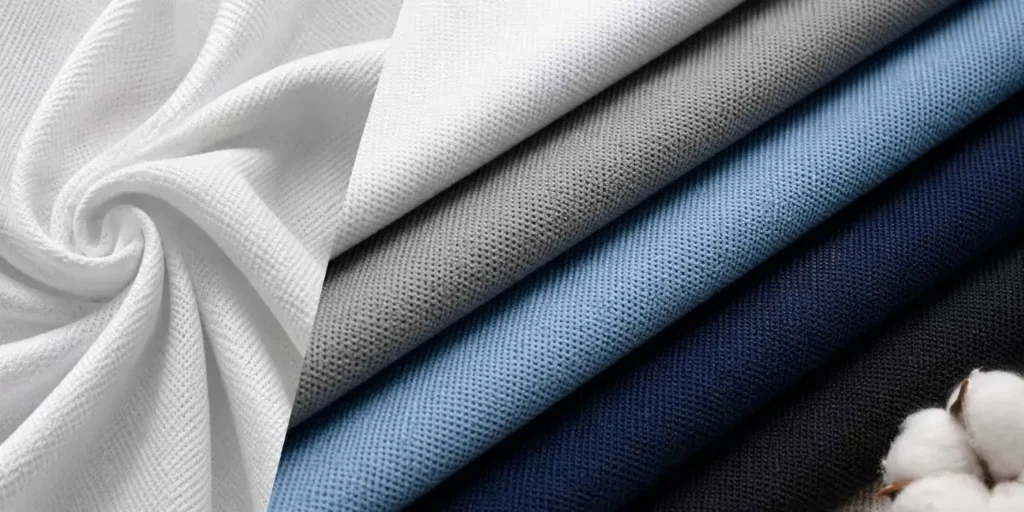
Choosing the right breathable fabric for polo shirts is one of the most important decisions when developing a custom apparel collection. The fabric affects comfort, airflow, moisture management, durability, appearance, and the overall quality of the finished garment.
For clothing brands, retailers, wholesalers, and businesses sourcing custom polo shirts, the best fabric is not necessarily the lightest or most expensive option. Instead, it should match the intended use, target market, climate, product positioning, and production requirements.
What Makes a Polo Shirt Fabric Breathable?
Fabric breathability refers to how easily air and moisture vapor can move through a textile. A breathable polo shirt can help improve airflow and reduce the feeling of heat, making it particularly useful for warm climates, outdoor activities, workwear, and everyday apparel.
However, breathability is influenced by more than fiber composition. Several factors work together, including:
- Fiber composition
- Fabric construction
- Fabric weight
- Yarn selection
- Knitting structure
- Finishing treatments
- Garment design
This is why two polo shirts made from the same fiber can have noticeably different levels of comfort and airflow.
What Is the Best Breathable Fabric for Polo Shirts?
There is no single fabric that is best for every polo shirt. Cotton, cotton blends, polyester, pique, jersey, bamboo blends, and modal blends can all be used to create breathable polo shirts, depending on the desired performance and positioning.
| Fabric Type | Breathability | Comfort | Durability | Best Application |
|---|---|---|---|---|
| Cotton | Excellent | Excellent | Good | Casual and everyday polos |
| Cotton Blend | Very Good | Very Good | Very Good | Uniforms and workwear |
| Polyester | Very Good | Good | Excellent | Sports and performance polos |
| Pique | Very Good | Very Good | Good | Classic polo shirts |
| Jersey | Good | Excellent | Good | Casual and fashion polos |
| Bamboo Blend | Excellent | Excellent | Good | Premium comfort-focused apparel |
| Modal Blend | Excellent | Excellent | Good | Premium lifestyle apparel |
For B2B buyers, fabric selection should always be considered together with fabric weight, construction, garment design, and the final application.
1. Cotton: A Classic Breathable Choice
Cotton remains one of the most popular fabrics for breathable polo shirts. As a natural fiber, cotton provides a soft hand feel and good natural breathability.
Cotton polo shirts are commonly used for casualwear, lifestyle collections, corporate apparel, and everyday clothing.
Advantages of Cotton Polo Shirts
- Soft and comfortable
- Good natural breathability
- Suitable for warm-weather apparel
- Natural hand feel
- Available in a wide range of fabric weights
One consideration is moisture retention. Cotton absorbs moisture, so it may dry more slowly than certain synthetic performance fabrics. For products where quick drying is important, a cotton blend or technical fabric may be more appropriate.
2. Cotton Blends: A Balance of Comfort and Performance
Cotton blends combine cotton with synthetic or other fibers to achieve a balance between softness, breathability, durability, and easy care.
Cotton-polyester blends, for example, can retain some of the comfortable feel of cotton while improving durability, shape retention, and drying performance.
This makes cotton blends particularly suitable for corporate uniforms, hospitality apparel, workwear, and branded polo shirts.
If fabric weight is also an important consideration for your product, see our B2B sourcing guide to choosing the right fabric weight for custom polo shirts .
3. Polyester: Breathable Performance Fabric for Activewear
Polyester is widely used in sportswear and performance apparel. Modern polyester fabrics can be engineered with lightweight structures and moisture-management properties to improve comfort during physical activity.
Polyester is a strong option for custom polo shirts designed for sports teams, outdoor businesses, events, golf apparel, and performance-focused collections.
Benefits of Polyester Polo Shirts
- Lightweight options available
- Good durability
- Fast-drying performance
- Good shape retention
- Suitable for active environments
- Can be engineered for moisture management
When sourcing technical polo shirts, buyers should evaluate the fabric structure, weight, stretch, moisture management, and finishing rather than choosing polyester based solely on fiber content
4. Pique: A Classic Polo Shirt Fabric
Pique is one of the most recognizable fabric constructions for traditional polo shirts. Its textured surface provides a structured appearance and is commonly associated with classic and premium polo styles.
Pique can offer a good balance of airflow, structure, comfort, and durability. However, its performance depends on the specific fiber composition, fabric weight, yarn, and knitting construction.
If you are deciding between different polo shirt knit structures, our guide to premium custom polo shirts, non-collapsing collars, and high-end knits explains how fabric and knit construction can affect the final appearance and quality of a polo shirt.
5. Jersey: Soft and Flexible for Casual Polo Shirts
Jersey is a knitted fabric known for its softness, flexibility, and comfortable drape. Compared with traditional pique, jersey often has a smoother surface and can create a more relaxed and contemporary polo shirt.
Jersey is a useful choice for fashion brands developing lightweight and comfortable casual polo shirts.
When selecting jersey, pay attention to fabric weight and fiber composition. A lightweight jersey may feel cooler, while a heavier construction can provide more structure and durability.
6. Bamboo and Modal Blends for Premium Comfort
Bamboo-based and modal fabrics can be considered for brands looking for a soft, smooth, and comfort-focused polo shirt.
These materials can work well in premium lifestyle collections where hand feel, softness, and comfort are important parts of the product positioning.
However, buyers should confirm the exact fiber composition and fabric construction with their manufacturer. Terms such as “bamboo” or “modal” alone do not determine the complete performance of a finished fabric.
Does Fabric Weight Affect Polo Shirt Breathability?
Yes. Fabric weight can have a significant effect on the overall feeling of a polo shirt in warm conditions. Lightweight fabrics generally allow a cooler and lighter wearing experience, while heavier fabrics can provide greater structure, opacity, and durability.
However, the lowest GSM is not automatically the best choice. A well-designed medium-weight fabric may provide a better balance between breathability, durability, structure, and premium appearance.
For B2B buyers, the right fabric weight should be selected according to the product’s intended use, target market, climate, garment construction, and price positioning.
For a more detailed sourcing strategy, read our guide to fabric weight for custom polo shirts .
Breathability vs. Moisture-Wicking: What's the Difference?
Breathability and moisture-wicking are related but different fabric characteristics.
Breathability refers to how easily air and moisture vapor can pass through a fabric. A breathable garment can help improve airflow and reduce heat buildup.
Moisture-wicking refers to the ability of a fabric to move liquid moisture away from the skin toward the outer surface of the garment, where it can evaporate more easily.
For technical polo shirts, both characteristics may be important. For casual lifestyle polos, natural softness and breathability may be more important than high-performance moisture management.
How Collar and Knit Construction Affect Comfort
Fabric is only one part of a breathable polo shirt. Collar construction, cuffs, placket design, and knitting structure can also affect comfort and appearance.
A well-constructed collar should maintain its shape without becoming unnecessarily heavy or uncomfortable. The choice of rib construction, interlining, fabric weight, and stitching can influence how the collar performs after repeated washing and wear.
For premium custom polo shirts, brands should consider the relationship between the main body fabric and the collar and cuff materials.
Learn more about designing non-collapsing collars and high-end polo shirt knits when developing a premium collection.
Don't Forget the Placket and Technical Details
The placket is another important element of polo shirt construction. Although it is a relatively small part of the garment, its fabric, reinforcement, buttons, stitching, and construction can have a noticeable impact on the final appearance.
For performance-oriented polo shirts, technical fabrics and functional construction can also be combined with customized plackets, buttons, trims, and finishing details.
Our custom polo shirts premium placket and technical fabric guide provides more information about these details.
How to Choose the Best Breathable Fabric for Your Polo Shirt
Instead of asking which fabric is universally the best, B2B buyers should ask which fabric is best for their specific product.
For Casual Polo Shirts
Cotton, cotton blends, and jersey are practical options when softness, comfort, and everyday breathability are priorities.
For Corporate Polo Shirts
Cotton blends and pique can provide a useful combination of professional appearance, comfort, durability, and breathability.
For Sports and Performance Polo Shirts
Lightweight polyester and technical blends are often more suitable when moisture management, durability, and quick drying are important.
For Premium Lifestyle Polo Shirts
Premium cotton, modal blends, and bamboo blends can be considered when softness, hand feel, and product positioning are key priorities.
What Should Brands Consider Before Ordering Custom Polo Shirts?
Fabric selection should be part of a complete product development process. Before placing a bulk order, brands should confirm the following specifications:
- Fabric composition
- Fabric weight and GSM
- Fabric construction
- Color and Pantone reference
- Garment fit
- Collar construction
- Cuff construction
- Placket design
- Button specifications
- Logo application method
- Labels and tags
- Size range
- MOQ
- Sampling requirements
- Packaging requirements
If you are new to custom apparel development, our complete guide to customizing polo shirts explains the process from initial design and fabric selection to sampling and bulk production.
Common Mistakes When Choosing Breathable Polo Shirt Fabric
Choosing the Lightest Fabric
A very lightweight fabric may feel cool, but it may not provide the structure, opacity, or durability required for the product. The ideal fabric weight depends on the intended application.
Choosing Only by Fiber Composition
Saying that a polo shirt is “100% cotton” or “100% polyester” does not provide enough information to predict its complete performance. Fabric construction and weight also matter.
Ignoring the Collar and Placket
A premium polo shirt needs consistent construction throughout the garment. A high-quality body fabric combined with a poorly constructed collar or placket can reduce the perceived quality of the finished product.
Skipping the Sample Stage
Always evaluate a sample before moving into bulk production. Check the fabric hand feel, weight, airflow, fit, color, stitching, collar, placket, and branding details before approving the final specifications.
Frequently Asked Questions
What is the most breathable fabric for polo shirts?
Cotton, lightweight cotton blends, performance polyester, bamboo blends, and modal blends can all provide good breathability. The best choice depends on the intended use, fabric construction, weight, and desired performance.
Are cotton polo shirts breathable?
Yes. Cotton is naturally breathable and comfortable, making it a popular choice for casual and everyday polo shirts. However, cotton can retain moisture longer than some performance fabrics.
Is polyester good for breathable polo shirts?
Yes. Polyester can be engineered into lightweight and breathable technical fabrics. It is particularly suitable for sportswear and applications where moisture management and quick drying are important.
Is pique fabric breathable?
Pique can provide good breathability and is widely used for classic polo shirts. Its actual performance depends on the fiber composition, fabric weight, yarn, and knitting structure.
Does a lighter polo shirt fabric always mean better breathability?
Not necessarily. Fabric weight is important, but fiber composition, knitting structure, fabric density, and finishing can also influence breathability. Brands should choose the overall fabric specification rather than focusing only on GSM.
Can I customize the fabric of my polo shirts?
Yes. OEM and ODM manufacturers can work with brands to select or develop fabrics according to composition, weight, color, construction, performance requirements, and target price.
Conclusion
So, what is the best breathable fabric for polo shirts? The answer depends on what you want the polo shirt to achieve.
Cotton is an excellent choice for natural comfort and everyday wear. Cotton blends provide a balance between comfort and durability. Polyester and technical fabrics are well suited to sports and performance applications, while modal and bamboo blends can provide a softer premium feel.
For B2B buyers, fabric selection should also be evaluated together with fabric weight, knitting structure, collar construction, placket design, fit, branding, and production requirements.
By considering the complete garment rather than focusing on one material specification, brands can develop custom polo shirts that deliver the right combination of comfort, appearance, performance, and commercial value.
Looking for Custom Polo Shirt Manufacturing?
Developing breathable polo shirts for your clothing brand, retail collection, uniform program, or business? Beyson Apparel provides OEM and ODM apparel manufacturing services, from fabric selection and product development to sampling, bulk production, quality inspection, and packaging.
Explore Custom Polo Shirt Manufacturing
Have a design, fabric requirement, or tech pack? Contact our team to discuss your custom polo shirt project.
* This article was written by the manufacturing team of Beyson Apparel. We are a clothing ODM/OEM factory with 15+ years of experience, covering products such as Underwear, T-shirt, Polo Shirts, Hoodies, Pajamas, Shorts and more. Direct inquiry, reply within 12 hours *