
 Call us now:

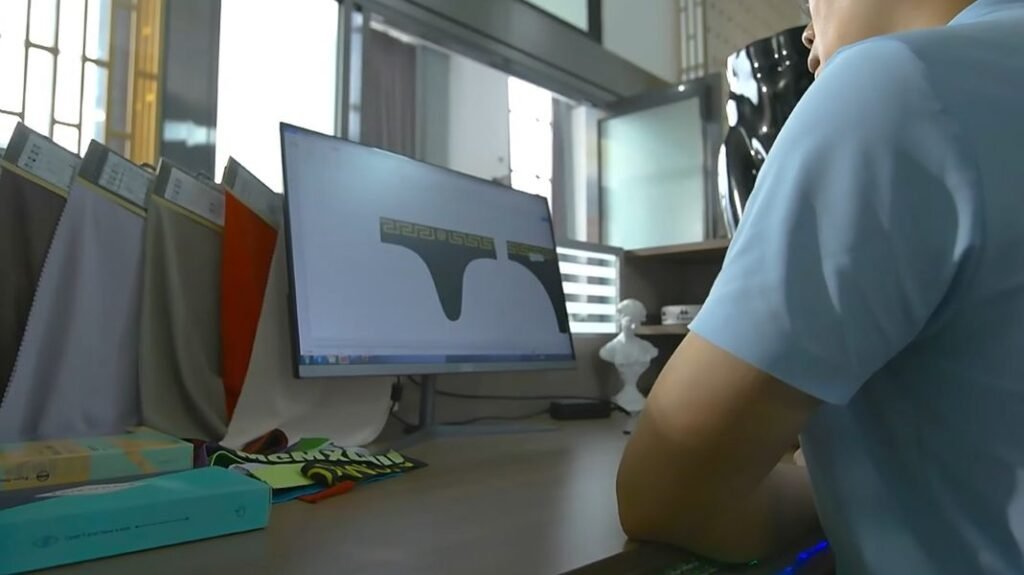
Contacting an underwear manufacturer is an important step in developing a private label underwear collection. However, sending only a product photo or a brief description may not provide enough information for a factory to evaluate your project accurately.
To receive a more useful quotation, realistic production timeline, and suitable sample recommendations, you should prepare clear information about your product design, fabric, sizing, branding, packaging, order quantity, and delivery expectations.
This guide explains the key underwear manufacturer requirements you should prepare before requesting a quotation, whether you are launching a new underwear brand or expanding an existing product line.
1. Product Type and Design Requirements
The first step is to explain exactly what type of underwear you want to manufacture. Different styles require different patterns, construction methods, materials, and production processes.
Include the following details in your initial inquiry:
- Product category: Men’s boxer briefs, boxers, briefs, trunks, women’s panties, thongs, or other underwear styles.
- Target customer: Men’s, women’s, children’s, or unisex underwear.
- Design references: Product photos, sketches, existing samples, or technical drawings.
- Fit and silhouette: Slim fit, regular fit, high-rise, low-rise, long-leg, or short-leg designs.
- Construction details: Pouch shape, seam placement, gusset design, leg openings, and waistband construction.
- Special features: Seamless edges, bonded seams, functional pouches, or other specific requirements.
If you do not have a finished design, reference images and a written description can still help the manufacturer understand your concept. The factory can then advise whether additional technical development is necessary.
2. Fabric Composition and Material Preferences
Fabric selection affects comfort, stretch, breathability, durability, appearance, and manufacturing cost. You should tell the manufacturer which material you prefer and whether the composition is fixed or open to recommendations.
Common underwear fabric options include:
- Cotton and elastane: A familiar choice for everyday underwear, combining a soft feel with stretch.
- Modal blends: Often selected for their smooth hand feel, drape, and comfortable fit.
- Bamboo-derived viscose blends: Popular in soft underwear collections, depending on the fabric construction and blend.
- Polyamide and elastane: Frequently used for lightweight, smooth, and stretch-oriented designs.
- Polyester blends: Suitable for selected performance-oriented or cost-conscious product ranges.
When possible, specify the following:
- Required fiber composition and percentage.
- Fabric weight, if known.
- Stretch and recovery expectations.
- Preferred hand feel, thickness, and finish.
- Color requirements and any applicable testing or certification needs.
If you are unsure which fabric is suitable, describe your target retail price, product positioning, and desired wearing experience. A manufacturer can recommend appropriate options for sampling.
Explore our guides to cotton vs. modal vs. bamboo underwear fabrics and choosing fabric for custom boxer briefs.
3. Size Range, Measurements, and Fit Standards
Size information helps the manufacturer develop patterns and evaluate the fit of your underwear. Do not assume that standard sizing is identical across countries, brands, or product categories.
Provide the following information where available:
- Your intended size range, such as S–XXL.
- Your target market, such as the United States, Europe, or Asia.
- A size chart with garment measurements or body measurements.
- Waistband width, rise, inseam, leg opening, and other relevant measurements.
- Fit preferences, including compression, ease, and coverage.
- Any grading rules for extending measurements across sizes.
If you already sell underwear, provide a well-fitting reference garment or an existing measurement specification. If you are developing a new product, ask the factory to help establish a measurement chart and confirm it through sample fitting.
Agree on the measurement method and acceptable tolerances before bulk production. This helps reduce misunderstandings during quality inspection.
4. Logo, Waistband, Labels, and Branding
For private label underwear, branding requirements should be discussed before sampling. Your choices may affect material sourcing, artwork preparation, production steps, and packaging costs.
Clarify the following details:
- Logo artwork: Provide a high-resolution or vector file where available, such as AI, EPS, SVG, or print-ready PDF.
- Waistband branding: Specify woven, jacquard, printed, or other preferred waistband designs.
- Logo placement: Identify the intended position, size, colors, and orientation.
- Labels: Explain your requirements for brand labels, care labels, and size labels.
- Hang tags: Provide the artwork, material, dimensions, and attachment preferences if applicable.
- Compliance information: Identify required fiber composition, care instructions, country-of-origin information, and other market-specific labeling details.
If your artwork is not finalized, send a preliminary design and explain which elements are still under development. Confirm the final artwork and placement before approving production samples.
For a more detailed preparation checklist, read our custom underwear tech pack guide.
5. Colors, Prints, and Special Design Details
Color consistency is important when building a recognizable underwear collection. If you have specific brand colors, provide Pantone references or other agreed color standards rather than relying only on a screen image.
Your color and design brief should cover:
- Required fabric and waistband colors.
- Print artwork, pattern files, or placement diagrams.
- Color references and acceptable variation.
- Embroidery, decorative elements, or other special finishes.
- Whether different colors will share the same design and material specifications.
Ask the manufacturer whether your selected fabric and production method can achieve the desired result. Color approval should be based on agreed physical samples or another documented approval process, not solely on digital previews.
6. Order Quantity and Minimum Order Quantity (MOQ)
Order quantity is one of the most important factors in determining whether a project is commercially feasible. Manufacturers may have different minimum order quantities depending on the product, fabric, color, waistband, printing method, and customization level.
When requesting a quotation, specify:
- Estimated total quantity for the first order.
- Quantity per style and per color.
- Size breakdown for each style and color.
- Whether you plan to reorder if the initial launch performs well.
- Whether you need a pilot order before larger-scale production.
For example, an inquiry for 3,000 pieces should clarify whether that quantity applies to one style across several colors or to multiple styles combined.
Do not assume that the same MOQ applies to every customization. Custom fabric development, special waistband weaving, and unique packaging may have different minimum requirements from standard fabric and existing materials.
Ask the manufacturer to explain any MOQ differences and whether alternative materials or production arrangements could make your target quantity more practical.
7. Packaging Requirements
Packaging contributes to product presentation, shipping efficiency, and the overall customer experience. If you plan to sell underwear under your own brand, communicate packaging preferences early.
Possible packaging options include:
- Individual polybags or paper packaging.
- Printed cardboard boxes.
- Multi-pack packaging for two-piece, three-piece, or larger sets.
- Custom inserts, stickers, barcodes, and product information cards.
- Retail-ready packaging with brand artwork.
Share packaging dimensions, artwork, material preferences, and any retailer-specific requirements if available. If the design is not ready, request standard packaging options and estimated costs first.
Confirm whether packaging materials are included in the quotation and whether custom packaging has a separate MOQ, tooling cost, or production lead time.
8. Target Price and Budget
You do not always need to provide a fixed target price, but a realistic budget range helps the manufacturer recommend suitable materials and construction methods.
When discussing price, clarify:
- Your target unit price or acceptable price range.
- The expected product quality and market positioning.
- Whether the quotation should include custom branding and packaging.
- The estimated order quantity and size/color breakdown.
- The required delivery terms and destination market.
Make sure you understand what the quotation includes. A basic garment price may exclude sample development, special trims, custom packaging, testing, freight, duties, or other expenses.
When comparing quotations, evaluate the full specification and cost structure rather than choosing a supplier based only on the lowest unit price.
Learn more about the factors affecting custom underwear manufacturing cost.
9. Sample Requirements and Approval Process
Samples allow you to evaluate fit, fabric, workmanship, branding, and overall product quality before committing to bulk production.
Tell the manufacturer which type of sample you need and what you want to evaluate:
- Development sample: Used to assess the initial design, construction, and fit.
- Fit sample: Used to review measurements and garment proportions.
- Pre-production sample: Used to confirm the agreed specifications before bulk manufacturing.
- Branding or packaging sample: Used to check logo execution, labels, and packaging details.
The exact sample process varies by manufacturer and project complexity. Ask about sample fees, available materials, estimated sample lead time, revision costs, and whether any sample charges can be credited toward a bulk order.
Before approving the final sample, check the garment measurements, fabric composition, stitching, waistband, logo placement, color, labels, and packaging against the agreed specifications.
Read our B2B guide to requesting underwear manufacturing samples for more details.
10. Production Timeline, Delivery, and Quality Requirements
Your timeline helps the manufacturer determine whether your project can meet its launch or replenishment schedule. Provide a target date and identify any important milestones.
Useful information includes:
- Desired sample completion date.
- Target bulk production completion date.
- Required delivery date and destination country.
- Preferred shipping method, if known.
- Inspection requirements and quality standards.
- Applicable product testing, documentation, or certification requirements.
Lead times depend on fabric availability, sample revisions, order quantity, customization, packaging, and production capacity. Ask the factory to confirm a realistic schedule after reviewing your specifications.
If your products must meet specific retailer or market requirements, identify them at the inquiry stage. Do not assume that a factory’s general certifications automatically cover every product or satisfy every destination market’s regulations.
11. Prepare a Tech Pack or Product Brief
A tech pack brings the key information about your product into one organized document. It helps reduce repeated questions and gives the manufacturer a clearer basis for quotation, sampling, and production.
A detailed underwear tech pack may include:
- Technical drawings and reference images.
- Product measurements and size grading.
- Fabric composition, weight, and color references.
- Construction details and stitching requirements.
- Waistband, logo, labels, and trims.
- Packaging specifications.
- Quality standards and measurement tolerances.
- Revision history and sample approval notes.
You do not need to have every detail finalized before making your first inquiry. If you are at an early stage, start with a product brief containing your reference images, preferred materials, target quantity, and estimated budget. The manufacturer can identify missing information and help you develop the remaining specifications.
For practical guidance, visit our guide to preparing a custom underwear tech pack.
12. Underwear Manufacturer Requirements Checklist
Before sending your inquiry, use this checklist to organize the information you already have.
- Product type and design references.
- Target customer and market.
- Preferred fabric and composition.
- Size range and measurement chart, if available.
- Colors, prints, and special design features.
- Logo artwork, waistband, labels, and tags.
- Estimated quantity per style and color.
- Packaging requirements.
- Target price or budget range.
- Sample requirements and approval expectations.
- Production deadline and delivery destination.
- Quality standards, testing, and documentation requirements.
If some details are not available yet, mark them as pending rather than guessing. A clear distinction between confirmed requirements and open decisions helps the factory provide more useful recommendations.
13. Email Template: How to Contact an Underwear Manufacturer
You can use the following template when contacting a potential manufacturing partner.
Subject: Custom Underwear Manufacturing Inquiry – [Brand Name]
Dear [Manufacturer Name],
We are developing a private label underwear collection and are looking for a suitable manufacturing partner.
Here are the initial project details:
- Product type: [Boxer briefs, boxers, briefs, panties, etc.]
- Fabric preference: [Cotton, modal, bamboo-derived viscose, or other]
- Size range: [Required sizes]
- Branding: [Custom waistband, logo, labels, and tags]
- Packaging: [Individual packaging, custom boxes, or other]
- Estimated quantity: [Pieces per style and color]
- Target price: [Budget range, if available]
- Sample requirements: [Details or questions]
- Target delivery date: [Date]
- Delivery destination: [Country or city]
We can provide reference images, artwork, or a more detailed product specification as needed.
Please let us know whether you can support this project, your MOQ, estimated sample and production lead times, and the information you need to prepare a quotation.
Thank you. We look forward to hearing from you.
Best regards,
[Your Name]
[Brand Name]
14. How to Choose the Right Underwear Manufacturer
Clear product information is only one part of successful sourcing. You should also evaluate whether a potential manufacturer has the capabilities, communication process, and quality controls required for your project.
When evaluating a factory, consider:
- Experience with your specific underwear category.
- Ability to support OEM and private label customization.
- Fabric and trim sourcing capabilities.
- Sample development and revision procedures.
- Quality inspection processes.
- MOQ flexibility and production capacity.
- Communication, documentation, and delivery reliability.
Ask for relevant product examples and clarify how the factory manages quality issues, specification changes, and production approvals.
For a more complete evaluation framework, read our guide to selecting a custom underwear manufacturer.
Frequently Asked Questions
What information should I send to an underwear manufacturer first?
Start with your product type, reference images, preferred fabric, estimated quantity, target market, and branding requirements. If you have a size chart, tech pack, or target price, include those as well. You can provide additional details as the project develops.
Do I need a complete tech pack to request a quotation?
No. A complete tech pack is helpful, but it is not always necessary for an initial discussion. Reference photos and a clear product brief may be enough for a preliminary assessment. A more detailed specification is usually needed before final sample approval and bulk production.
Can I contact a manufacturer if I have not finalized my design?
Yes. Explain your concept, target customer, preferred materials, and expected price range. The manufacturer may be able to recommend fabric options, construction methods, and sample development steps. Final pricing will depend on the confirmed specifications.
What determines the MOQ for custom underwear?
MOQ may depend on the style, fabric, color, waistband, printing method, trims, packaging, and production setup. Ask for MOQ per style and per color, and clarify whether different sizes can be combined within one order.
Should I request samples before placing a bulk order?
For a new custom design, sampling is generally recommended. It allows you to check fit, fabric, workmanship, and branding before approving larger-scale production. Confirm the sample scope and approval criteria with your manufacturer.
Conclusion
Preparing the right information before contacting an underwear manufacturer can make sourcing more efficient and help you receive a more accurate quotation. Focus first on your product design, fabric preferences, quantity, sizing, branding, and target budget. Then clarify packaging, samples, quality requirements, and delivery expectations.
You do not need to finalize every detail before starting a conversation. A clear initial brief gives the manufacturer a practical starting point and helps both sides identify the next steps.
Looking for a partner for your next underwear collection? Beyson Apparel supports custom underwear development for brands and businesses, including product specifications, fabric selection, private label branding, and packaging customization.
Explore our custom underwear manufacturing services and contact our team to discuss your project requirements.
Email: sales@beysonapparel.com
* This article was written by the manufacturing team of Beyson Apparel. We are a clothing ODM/OEM factory with 15+ years of experience, covering products such as Underwear, T-shirt, Polo Shirts, Hoodies, Pajamas, Shorts and more. Direct inquiry, reply within 12 hours *