
 Call us now:

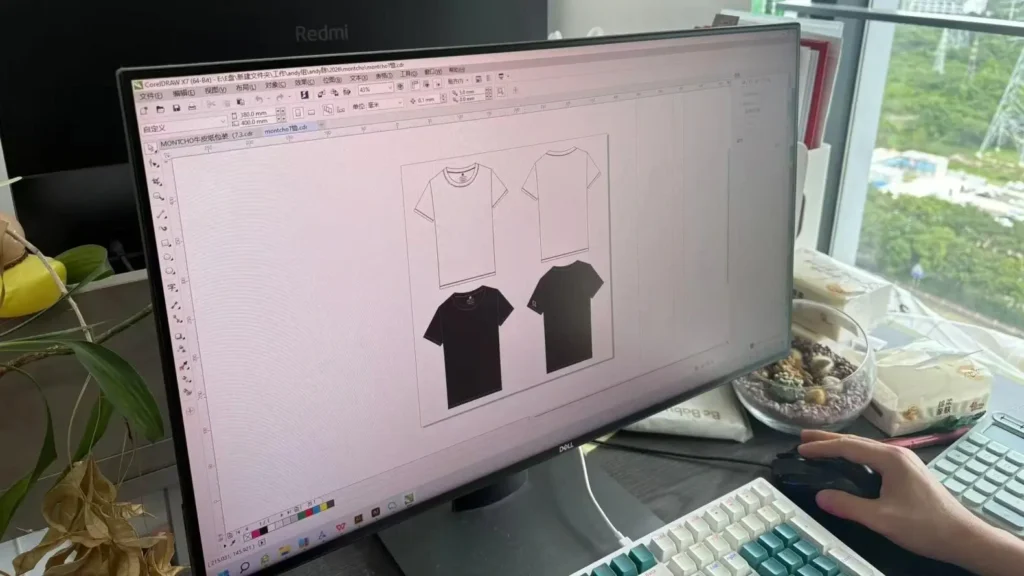
When ordering custom T-shirts in bulk, the unit price is only one part of the total production cost. For clothing brands, retailers, startups, and other B2B buyers, understanding what drives custom T-shirt bulk order cost can help you set realistic budgets and avoid unexpected expenses.
The final price of a custom T-shirt depends on several factors, including fabric selection, order quantity, garment construction, printing or embroidery, labels, packaging, and production requirements.
Whether you are developing a new clothing collection or sourcing T-shirts for an established brand, understanding these cost factors can help you make better purchasing decisions.
1. What Determines Custom T-Shirt Bulk Order Cost?
There is no single price for bulk custom T-shirts. Manufacturers typically calculate the cost based on the specifications of each project.
The main factors include:
- Fabric type and weight
- Order quantity
- T-shirt design and construction
- Printing or embroidery
- Custom labels
- Packaging
- Sampling and development
- Production requirements
- Shipping and logistics
A simple promotional T-shirt and a premium private label T-shirt may look similar, but their production costs can be significantly different.
2. Fabric Selection Is a Major Cost Factor
Fabric is one of the most important components of T-shirt manufacturing cost.
Common options include:
Cotton
Cotton is widely used for custom T-shirts because of its comfort, breathability, and versatility.
Different cotton qualities can have significantly different prices. For example, standard cotton, combed cotton, and organic cotton may have different costs depending on fiber quality and sourcing.
Organic Cotton
Organic cotton can be a good choice for brands focusing on sustainability.
However, certified organic materials may increase the overall production cost compared with conventional fabrics.
Cotton Blends
Cotton-polyester and other blended fabrics can provide specific performance characteristics and may offer different price points.
Bamboo and Other Specialty Fabrics
Premium fabrics such as bamboo blends, modal, or other specialty textiles can create a softer or more sustainable product, but they may increase material costs.
When comparing suppliers, buyers should evaluate fabric composition, GSM, quality, and finishing, rather than comparing prices based only on the name of the fabric.
For brands exploring sustainable materials, you can also learn more about bamboo fabric sourcing and how specialty fabrics are used in apparel production.
3. Order Quantity and MOQ Affect Unit Cost
Order quantity has a direct impact on the unit price of custom T-shirts.
Generally, larger orders allow manufacturers to spread setup and production costs across more units.
For example, a project with:
- 100 pieces
- 500 pieces
- 1,000 pieces
- 5,000 pieces
may have different unit costs even when the design remains the same.
However, buyers should not automatically choose the largest possible order.
For new brands, ordering too much inventory can increase storage costs and cash-flow pressure.
A better approach is to balance MOQ, unit cost, expected sales, and inventory risk.
If you are also developing other apparel products, our guide to custom pajamas bulk order cost explains how order quantity, materials, customization, and production requirements can influence bulk pricing.
4. Customization and Logo Costs
Customization is another important part of the total cost.
Depending on your design, you may choose:
- Screen printing
- Digital printing
- Embroidery
- Heat transfer
- Woven labels
- Printed neck labels
The cost can vary depending on the number of colors, artwork complexity, logo size, placement, and production method.
For example, a small chest logo may require fewer resources than a large multi-color graphic covering the front and back of a T-shirt.
When requesting a quote, provide clear artwork and customization requirements so the manufacturer can calculate the cost accurately.
5. T-Shirt Construction Can Change the Price
The basic design of a T-shirt also affects manufacturing costs.
A simple crew-neck T-shirt generally requires fewer production processes than a highly customized garment.
Additional details may include:
- Oversized construction
- Custom necklines
- Special sleeve designs
- Contrast panels
- Decorative stitching
- Ribbed collars
- Custom trims
- Special washing or finishing
For brands developing premium collections, these details can create a stronger product identity but may also increase production costs.
6. Custom Labels and Packaging
For private label brands, the product cost may include more than the garment itself.
You may need:
- Woven brand labels
- Care labels
- Size labels
- Hangtags
- Individual polybags
- Custom boxes
- Branded packaging
These items may have their own MOQs and setup costs.
For this reason, it is important to tell your manufacturer about your branding and packaging requirements before receiving a final quotation.
7. Sample and Development Costs
Before bulk production, most professional B2B buyers should develop and approve a sample.
The sampling process may include:
- Design review
- Fabric selection
- Pattern development
- First sample
- Fitting and revisions
- Final sample approval
Sample costs can vary depending on design complexity and material requirements.
Although sampling adds an upfront cost, it can help identify problems with fit, fabric, construction, and branding before bulk production begins.
This can significantly reduce the risk of expensive production mistakes.
8. How to Reduce Custom T-Shirt Bulk Order Cost
Reducing production costs does not necessarily mean choosing the cheapest fabric or manufacturer.
Instead, buyers can optimize the entire production process.
Choose the Right Fabric
Select a fabric that matches your target market and retail positioning instead of automatically choosing the most expensive option.
Optimize Order Quantity
A larger order may reduce unit cost, but only if you can realistically sell the inventory.
Simplify Customization
Reducing unnecessary design elements, printing locations, or complicated trims can help control production costs.
Use Standard Components
Using existing fabric colors, standard trims, and proven construction methods may reduce development and production expenses.
Work Directly With a Manufacturer
Working directly with an experienced manufacturer can reduce unnecessary intermediaries and improve communication during product development.
9. What Should Be Included in a Custom T-Shirt Quote?
When comparing suppliers, don’t look only at the unit price.
Ask whether the quotation includes:
- Fabric
- Cutting and sewing
- Printing or embroidery
- Labels
- Packaging
- Sampling
- Quality control
- Transportation
- Other applicable production charges
A supplier offering a lower initial price may not necessarily provide the lowest final cost if important services are excluded.
A detailed quotation makes supplier comparisons much more accurate.
10. Questions to Ask Your Custom T-Shirt Manufacturer
Before placing a bulk order, B2B buyers should ask the manufacturer:
What is your MOQ?
MOQ can vary according to fabric, color, design, and production requirements.
Can you provide a pre-production sample?
A sample allows you to verify the product before committing to bulk production.
Can you customize the fabric and GSM?
This is particularly important for brands with specific product positioning.
What customization methods do you offer?
Ask about printing, embroidery, labels, trims, and packaging.
What is the estimated production lead time?
Lead time is important when planning product launches and inventory.
11. Why Choosing the Right Manufacturer Matters
The lowest quoted price is not always the best option for a long-term clothing brand.
An experienced custom T-shirt manufacturer should be able to support you with:
- Fabric sourcing
- Product development
- Sample production
- OEM and ODM services
- Quality control
- Bulk manufacturing
- Custom branding
- Packaging solutions
A reliable manufacturing partner can help you balance product quality, production cost, MOQ, and delivery time.
For brands ordering custom apparel regularly, this can be more valuable than simply finding the lowest unit price.
Conclusion: Plan Your Custom T-Shirt Bulk Order Carefully
Understanding custom T-shirt bulk order cost is essential for making profitable purchasing decisions.
Fabric, order quantity, customization, garment construction, labels, packaging, and sampling can all influence your final production cost. Instead of focusing only on the lowest unit price, B2B buyers should evaluate the complete production package and choose specifications that match their target market.
Whether you are launching a private label clothing brand, expanding an existing collection, or sourcing promotional apparel, working with an experienced manufacturer can help you control costs while maintaining consistent quality.
Ready to Develop Your Custom T-Shirt Collection?
Contact our team to discuss your fabric, design, branding, MOQ, and bulk production requirements, and request a customized factory quotation.
* This article was written by the manufacturing team of Beyson Apparel. We are a clothing ODM/OEM factory with 15+ years of experience, covering products such as Underwear, T-shirt, Polo Shirts, Hoodies, Pajamas, Shorts and more. Direct inquiry, reply within 12 hours *