
 Call us now:

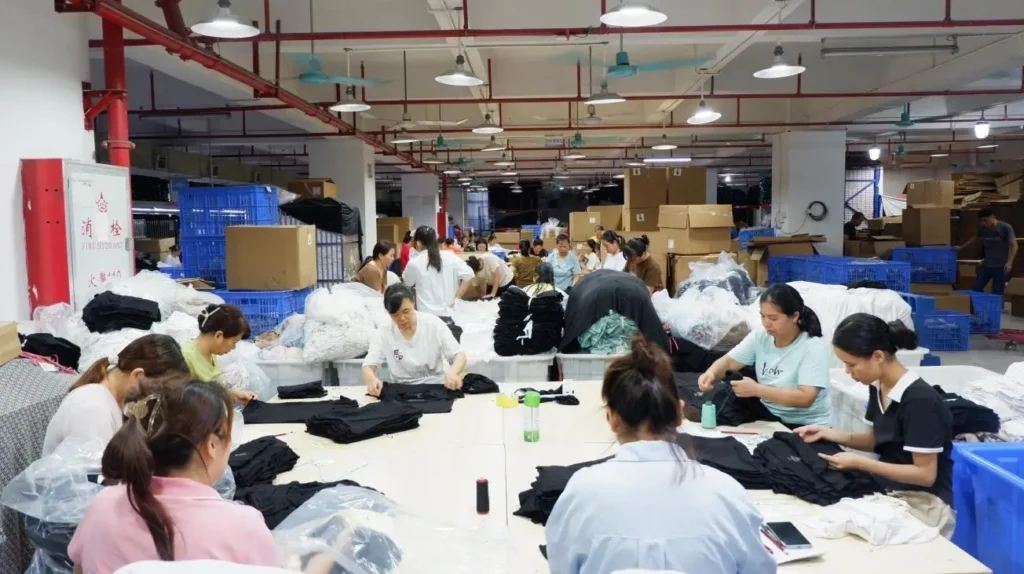
Choosing the right fabric is one of the most important steps when developing custom T-shirts. Fabric selection affects not only comfort and appearance but also durability, production cost, and customer satisfaction.
For clothing brands, retailers, and startups, understanding fabric specifications such as GSM, cotton types, and blended materials can help create better products and avoid costly production mistakes.
Working with an experienced Custom T Shirt Manufacturer allows brands to select suitable fabrics based on their target market, product positioning, and quality expectations.
1. Why Fabric Selection Matters for Custom T-Shirts
The fabric determines how a T-shirt feels, fits, and performs after repeated use and washing.
Different fabrics provide different advantages:
- Softness and comfort
- Breathability
- Weight and structure
- Stretch and recovery
- Durability
- Overall product value
For premium apparel brands, selecting the right custom T shirt fabric is essential for building a strong product identity.
2. Understanding GSM: The Key Measurement for T-Shirt Fabric
GSM stands for grams per square meter and measures the weight and thickness of fabric.
A higher GSM usually means a heavier and more structured fabric, while a lower GSM creates a lighter and more breathable garment.
| GSM Range | Fabric Characteristics | Suitable Products |
|---|---|---|
| 120-160 GSM | Lightweight, breathable, soft | Summer T-shirts, casual wear |
| 160-220 GSM | Balanced comfort and durability | Daily wear, private label T-shirts |
| 220+ GSM | Heavyweight, premium structure | Streetwear and luxury T-shirts |
When developing custom T-shirts, brands should choose GSM based on the desired product positioning rather than simply selecting the cheapest option.
3. Choosing the Right Cotton Fabric for Custom T-Shirts
Cotton remains one of the most popular materials for custom T-shirt production because of its comfort, breathability, and versatility.
100% Cotton
100% cotton provides a natural soft feeling and excellent breathability.
Advantages include:
- Natural comfort
- Good moisture absorption
- Skin-friendly feel
- Suitable for everyday apparel
It is commonly used for basic T-shirts, promotional clothing, and lifestyle brands.
Organic Cotton
Organic cotton is becoming increasingly popular among sustainable fashion brands.
Benefits include:
- Eco-friendly positioning
- Reduced chemical usage
- Premium brand appeal
For brands targeting environmentally conscious consumers, organic cotton T-shirts can create additional market value.
Combed Cotton
Combed cotton removes shorter fibers during processing, creating a smoother and stronger yarn.
It is suitable for premium-quality custom T-shirts that require better softness and durability.
4. Common Fabric Blends for Custom T-Shirts
Many brands choose blended fabrics because they combine the advantages of multiple materials.
Cotton and Polyester Blend
A cotton-polyester blend offers improved durability and easier maintenance.
- Less shrinking
- Better shape retention
- Quick drying performance
This blend is commonly used for uniforms, activewear, and commercial apparel.
Cotton and Spandex Blend
Adding spandex improves stretch and flexibility.
It is suitable for fitted T-shirts and performance-inspired apparel.
Modal and Cotton Blend
Modal blends provide a smoother and more premium hand feel.
This fabric option works well for brands developing luxury basics and comfortable lifestyle collections.
5. How Brands Choose the Best Fabric for Custom T-Shirts
The best fabric depends on your brand positioning and customer expectations.
| Brand Position | Recommended Fabric |
|---|---|
| Affordable basic apparel | Cotton or cotton blends |
| Premium fashion brands | Combed cotton, modal blends |
| Sustainable brands | Organic cotton, recycled fabrics |
| Streetwear brands | Heavyweight cotton |
6. Fabric Testing Before Bulk Production
Before placing a large order, brands should request fabric samples and evaluate:
- Fabric softness
- Thickness and weight
- Color accuracy
- Shrinkage performance
- Stretch recovery
- Washing durability
Professional manufacturers usually provide sample development services to ensure the final product meets quality expectations.
7. Working with a Custom T Shirt Manufacturer
A reliable Custom T Shirt Manufacturer can help brands select suitable materials based on product goals and target customers.
Manufacturing partners can provide support with:
- Fabric sourcing
- GSM recommendations
- Color development
- Sample production
- Bulk manufacturing
- Quality control
Choosing an experienced supplier reduces development risks and helps brands create consistent products.
Conclusion: Choose the Right Fabric for Better Custom T-Shirts
Fabric selection plays a critical role in the success of any custom T-shirt collection. Understanding GSM, cotton options, and fabric blends allows brands to create products that match their market positioning.
Whether you are launching a private label clothing brand or expanding your apparel line, partnering with an experienced manufacturer can help you choose the right materials and achieve reliable production quality.
Looking for a Custom T Shirt Manufacturer?
Beyson Apparel provides OEM and ODM apparel manufacturing solutions, helping brands develop custom T-shirts, underwear, pajamas, and other private label clothing products.
* This article was written by the manufacturing team of Beyson Apparel. We are a clothing ODM/OEM factory with 15+ years of experience, covering products such as Underwear, T-shirt, Polo Shirts, Hoodies, Pajamas, Shorts and more. Direct inquiry, reply within 12 hours *