
 Call us now:

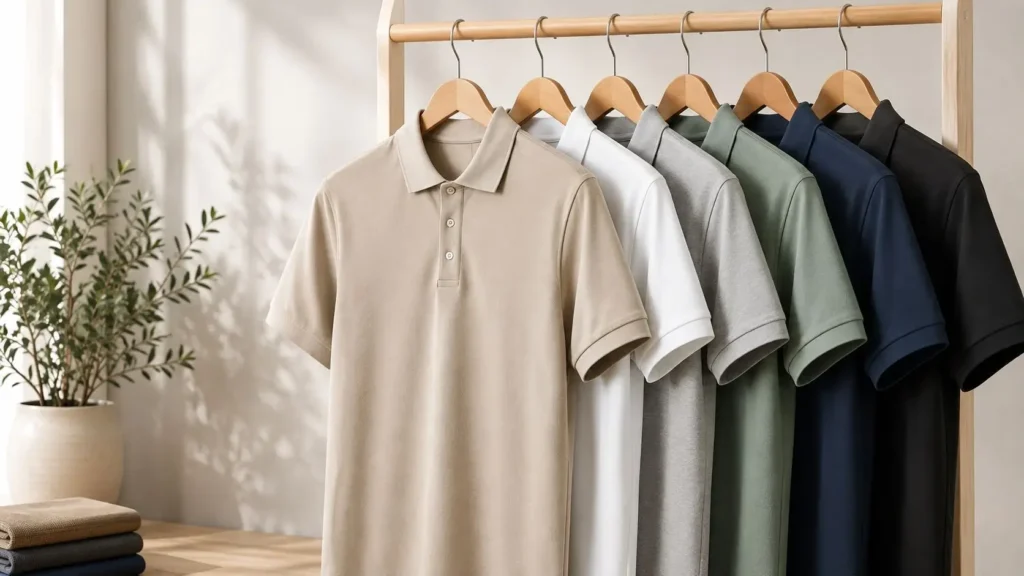
Want to create custom polo shirts for your clothing brand, business, team, or retail collection? This guide explains how to customize polo shirts step by step, from fabric selection and design to logos, labels, sizing, packaging, sampling, and bulk production.
What Does It Mean to Customize Polo Shirts?
Customizing polo shirts means creating a polo shirt according to your specific design, branding, fabric, color, sizing, and production requirements. Instead of choosing a ready-made polo shirt, brands can work with a polo shirt manufacturer to develop a product that matches their target market and brand identity.
Depending on your requirements, custom polo shirts can include custom fabrics, colors, logos, embroidery, printing, woven labels, hangtags, custom buttons, packaging, and private label details.
For clothing brands and retailers, custom polo shirts are often produced through OEM or ODM manufacturing. OEM production allows you to manufacture according to your own specifications, while ODM manufacturing can provide existing designs that can be modified and branded for your collection.
How to Customize Polo Shirts Step by Step
The customization process can vary between manufacturers, but a typical B2B polo shirt development process includes the following steps.
- Define your product requirements
- Choose the polo shirt fabric
- Select colors
- Create the polo shirt design
- Add your logo and branding
- Choose labels, tags, and buttons
- Confirm sizing and specifications
- Develop and approve a sample
- Confirm MOQ and bulk production
- Arrange quality inspection and packaging
1. Define Your Custom Polo Shirt Requirements
Before contacting a manufacturer, prepare a basic product specification. The more information you can provide, the easier it will be for the manufacturer to understand your requirements and provide an accurate quotation.
Your specification may include:
- Polo shirt style
- Target customer
- Fabric composition
- Fabric weight
- Color
- Logo and artwork
- Embroidery or printing requirements
- Collar and cuff design
- Button specifications
- Size range
- Quantity
- Labels and hangtags
- Packaging requirements
If you do not have a complete design, an experienced custom polo shirt manufacturer can usually help you develop the specifications based on your target market and budget.
2. Choose the Right Fabric for Custom Polo Shirts
Fabric selection is one of the most important decisions when customizing polo shirts. The right material affects comfort, appearance, durability, breathability, and overall product positioning.
Common Polo Shirt Fabrics
| Fabric | Main Features | Suitable For |
|---|---|---|
| Cotton | Soft, breathable, comfortable | Casual and everyday wear |
| Cotton Blend | Balanced comfort and durability | Workwear and uniforms |
| Polyester | Durable, lightweight, moisture-wicking options | Sportswear and performance apparel |
| Pique | Textured surface and classic polo appearance | Classic and premium polo shirts |
| Jersey | Smooth and flexible | Casual fashion polos |
| Organic Cotton | Natural fiber with sustainability positioning | Eco-conscious brands |
When choosing fabric, consider your target customer, selling price, climate, intended use, washing requirements, and brand positioning. A polo shirt designed for corporate uniforms may require different fabric characteristics from a premium fashion collection.
3. Choose the Color for Your Polo Shirts
Color is another important part of custom polo shirt development. You can select a standard fabric color or request a custom color to match your brand identity.
For professional production, brands can provide a Pantone color reference to help the manufacturer match the requested color more accurately.
If you are developing several styles or a seasonal collection, consider creating a consistent color palette across your polo shirts and other apparel products.
4. Create Your Custom Polo Shirt Design
Your polo shirt design should define both the appearance and construction of the garment. Important design elements include the collar, cuffs, placket, buttons, sleeve shape, hem, fit, and decorative details.
Popular Customization Options
Your polo shirt design should define both the appearance and construction of the garment. Important design elements include the collar, cuffs, placket, buttons, sleeve shape, hem, fit, and decorative details.
- Regular or oversized fit
- Classic polo collar
- Contrast collar and cuffs
- Two-button or three-button placket
- Side vents
- Curved or straight hem
- Custom buttons
- Contrast stitching
- Custom neck tape
- Custom internal branding
You can provide a technical drawing, reference sample, artwork, tech pack, or even photos of similar garments. A manufacturer can then review the specifications and determine how the design can be developed for production.
5. Add Your Logo and Branding
Branding is one of the main reasons businesses choose custom polo shirts. Your logo can be applied using different techniques depending on the fabric, design, and desired appearance.
Common Logo Application Methods
- Embroidery: Suitable for premium and corporate polo shirts.
- Screen printing: Suitable for simple graphic designs and larger quantities.
- Heat transfer: Suitable for detailed logos and certain performance fabrics.
- Woven labels: Useful for brand identity and fashion applications.
- Jacquard: Can be used for woven branding details such as waistbands or trims.
Logo placement can also be customized. Common positions include the left chest, right chest, sleeve, back, and collar area.
6. Customize Labels, Tags, and Buttons
A fully customized polo shirt can include more than just your logo. Private label clothing brands can customize the entire branding system of the garment.
- Woven neck labels
- Printed care labels
- Size labels
- Brand hangtags
- Custom buttons
- Custom packaging
- Poly bags
- Shipping cartons
These details help create a consistent brand experience and can make a custom polo shirt look more like a finished retail product rather than a standard blank garment.
7. Confirm Polo Shirt Sizes and Measurements
Before sampling or bulk production, confirm the complete size specification. Different markets may use different sizing standards, so manufacturers should work from your approved measurement chart rather than relying only on general S, M, L, or XL sizes.
Typical measurement specifications include:
- Chest width
- Body length
- Shoulder width
- Sleeve length
- Armhole
- Collar width
- Cuff measurements
For international brands, providing a detailed size chart and measurement tolerance can help reduce fitting problems during mass production.
8. Develop and Approve a Sample
Sampling is an important step before placing a bulk order. The sample allows you to check the fabric, color, fit, logo, stitching, measurements, trims, and overall appearance.
Depending on the complexity of the project, a manufacturer may provide a development sample followed by revisions before the final production sample is approved.
Do not move into bulk production until the important specifications have been confirmed and approved.
9. Confirm MOQ and Bulk Production
MOQ, or minimum order quantity, is the smallest quantity a manufacturer is willing to produce for a particular order. Custom polo shirt MOQ can vary depending on the fabric, color, logo technique, customization level, and factory production requirements.
If you are a new clothing brand, ask manufacturers about their MOQ options before finalizing the design. A flexible MOQ can make it easier to test a new product before committing to a large inventory.
Before production begins, confirm the final quantity, unit price, production schedule, approved sample, packaging specifications, and payment terms.
10. Quality Inspection and Packaging
Quality control should be considered throughout the manufacturing process rather than only after production is completed.
Important inspection points include:
- Fabric quality and composition
- Color consistency
- Measurements
- Logo position
- Embroidery or printing quality
- Seam quality
- Button attachment
- Labels and tags
- Packaging
Once the garments pass inspection, they can be folded, labeled, packed, and prepared for shipment according to the buyer’s packaging requirements.
How Much Does It Cost to Customize Polo Shirts?
The cost of custom polo shirts depends on several factors rather than one fixed price. The main factors include fabric, garment weight, order quantity, design complexity, logo application, trims, labels, packaging, and shipping requirements.
In general, larger production quantities can result in a lower unit cost because fabric purchasing, setup, and production costs can be distributed across more garments.
For an accurate quotation, provide your manufacturer with as many product details as possible, including the fabric, color, quantity, logo method, size range, and packaging requirements.
How to Choose a Custom Polo Shirt Manufacturer
Choosing the right manufacturer is just as important as creating the design. When evaluating a custom polo shirt manufacturer, consider the following factors:
- OEM and ODM experience
- Fabric sourcing capabilities
- Customization options
- MOQ flexibility
- Sample development process
- Production capacity
- Quality control system
- Communication and response time
- Export experience
- Certifications and compliance
It is also useful to review the manufacturer’s previous projects and request samples before starting a large production order.
Custom Polo Shirts: OEM vs. ODM
If you are working with a clothing manufacturer, you may encounter the terms OEM and ODM.
OEM Polo Shirts
OEM manufacturing means the manufacturer produces polo shirts according to your own design and specifications. This option is suitable for brands that already have a detailed product concept or technical package.
ODM Polo Shirts
ODM manufacturing means the manufacturer provides existing designs or product development support that can be customized with your branding, colors, materials, and other requirements.
For new brands, ODM can reduce product development time, while OEM can provide greater control over the final product.
Common Mistakes When Customizing Polo Shirts
Avoiding common mistakes can save time and reduce production problems.
- Choosing fabric based only on price.
The cheapest fabric may not provide the comfort, durability, or appearance expected by your target customers.
- Not providing clear measurements.
A detailed size specification helps manufacturers produce consistent garments.
- Skipping the sample approval stage.
Bulk production should not begin before important product specifications are approved.
- Ignoring MOQ requirements.
Confirm MOQ early, especially when using custom colors, fabrics, trims, or packaging.
- Not considering the complete branding system.
Neck labels, care labels, hangtags, buttons, and packaging can all affect the final retail presentation.
Custom Polo Shirt Manufacturing Checklist
Before confirming your order, use this checklist to make sure the key specifications have been discussed with your manufacturer.
- ☐ Polo shirt design confirmed
- ☐ Fabric composition confirmed
- ☐ Fabric weight confirmed
- ☐ Color confirmed
- ☐ Pantone reference confirmed if required
- ☐ Logo artwork approved
- ☐ Logo application method confirmed
- ☐ Logo placement confirmed
- ☐ Size chart confirmed
- ☐ Labels and hangtags confirmed
- ☐ Buttons and trims confirmed
- ☐ Packaging requirements confirmed
- ☐ MOQ confirmed
- ☐ Sample approved
- ☐ Production schedule confirmed
- ☐ Quality inspection requirements confirmed
Why Work With a Custom Polo Shirt Manufacturer?
Working directly with an experienced manufacturer gives brands more control over product development, materials, branding, quality, and production quantities.
Instead of purchasing standard blank polo shirts and adding a logo afterward, a custom manufacturing partner can help develop the garment from the fabric and fit through to labels and packaging.
This approach is particularly useful for clothing brands, wholesalers, retailers, corporate apparel suppliers, and businesses looking to build a consistent apparel collection.
Frequently Asked Questions About Custom Polo Shirts
Can I customize the fabric of a polo shirt?
Yes. Depending on the manufacturer, you may be able to select different fabric compositions, weights, textures, and finishes according to your product requirements.
Can I put my own logo on custom polo shirts?
Yes. Common options include embroidery, screen printing, heat transfer, woven labels, and other branding techniques.
What is the MOQ for custom polo shirts?
MOQ varies by manufacturer and project. Custom fabric, colors, trims, and packaging can affect the minimum order quantity, so it is best to confirm MOQ before production.
Can I customize polo shirts for my clothing brand?
Yes. Clothing brands can customize the fabric, fit, colors, logo, labels, hangtags, buttons, packaging, and other details to create private label polo shirts.
How long does it take to make custom polo shirts?
Production time depends on the product complexity, order quantity, fabric availability, sampling requirements, and manufacturer’s production schedule. Ask your manufacturer for a sample timeline and bulk production schedule before placing an order.
Final Thoughts
Learning how to customize polo shirts starts with defining your product requirements and choosing the right manufacturing partner. Fabric, color, fit, logo application, labels, sizing, MOQ, sampling, and quality control all play an important role in the final product.
For brands and B2B buyers, the best approach is to treat custom polo shirt production as a complete product development process rather than simply adding a logo to a ready-made garment.
With the right manufacturer, you can develop custom polo shirts that match your brand identity, target market, quality expectations, and retail requirements.
Looking for a Custom Polo Shirt Manufacturer?
Beyson Apparel provides custom OEM and ODM apparel manufacturing services for brands, wholesalers, retailers, and businesses. From fabric selection and sampling to bulk production, quality inspection, and packaging, we can help turn your polo shirt concept into a finished product.
Have a polo shirt design or product idea? Send us your requirements, artwork, or reference sample to discuss your project and request a quotation.
👉 [Contact Beyson Apparel today] to start your custom polo shirts project.
* This article was written by the manufacturing team of Beyson Apparel. We are a clothing ODM/OEM factory with 15+ years of experience, covering products such as Underwear, T-shirt, Polo Shirts, Hoodies, Pajamas, Shorts and more. Direct inquiry, reply within 12 hours *