
 Call us now:

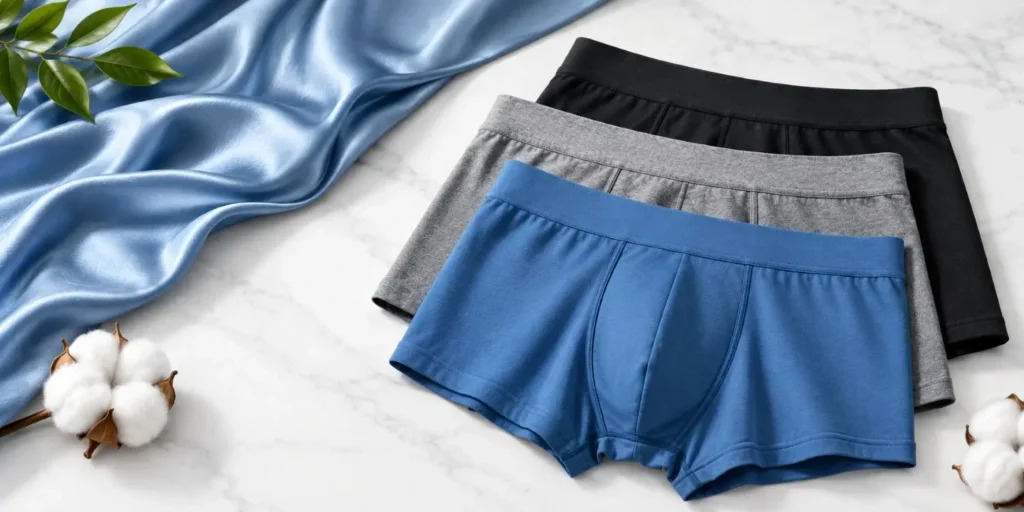
Choosing the best fabric for custom underwear is one of the most important decisions when developing a new underwear collection. Fabric affects comfort, fit, stretch, breathability, durability, appearance, production cost, and even how customers perceive your brand.
For B2B buyers, choosing underwear fabric is not simply a matter of selecting the softest material. The right fabric needs to match your product positioning, target market, price point, design, required performance, and manufacturing specifications.
Cotton, modal, bamboo-based fabrics, polyester, nylon, and blended materials can all be suitable for different underwear concepts. The key is understanding the differences and selecting the material based on the actual requirements of your product.
This guide explains how brands can evaluate custom underwear fabric and choose the right material before moving into sampling and bulk production.
Why Fabric Selection Matters in Custom Underwear
Underwear is a next-to-skin product, so fabric performance can have a direct impact on the wearer’s experience. However, comfort is only one part of the equation.
For a commercial underwear collection, the fabric also needs to work with the garment construction, pattern, waistband, production process, branding requirements, and target retail price.
When selecting fabric for custom underwear, brands should consider:
- Fiber composition
- Softness and hand feel
- Stretch and recovery
- Fabric weight and GSM
- Breathability and moisture management
- Durability and pilling resistance
- Color and dyeing requirements
- Shrinkage and dimensional stability
- Production cost
- Target market and brand positioning
Fabric selection should therefore be treated as part of the overall product development process rather than an isolated sourcing decision.
For a more technical discussion of fabric, construction, and product development, see our guide to premium custom underwear engineering .
What Is the Best Fabric for Custom Underwear?
There is no single fabric that is best for every underwear brand. The right material depends on what you want the finished product to achieve.
For example, a premium everyday underwear collection may prioritize softness and drape, while an active underwear product may require faster moisture management and greater stretch recovery. A value-focused basic underwear line may prioritize durability and cost efficiency.
The most common fabric choices for custom underwear include:
- Cotton – a familiar and versatile option for everyday underwear
- Modal – known for a soft, smooth hand feel and lightweight comfort
- Bamboo-based fabrics – commonly selected for soft and comfort-focused collections
- Polyester and nylon – useful for performance-oriented products
- Blended fabrics – allow brands to balance properties such as comfort, stretch, durability, and cost
1. Cotton: A Versatile Choice for Everyday Underwear
Cotton remains one of the most widely used materials for underwear because of its familiar hand feel and broad product versatility. It can work well for everyday basics, value-focused collections, family underwear, and other products where comfort and practicality are priorities.
For custom cotton underwear, brands can choose from different constructions and blends depending on the desired product performance. Cotton can also be combined with elastane to improve stretch and recovery.
When evaluating cotton underwear fabric, consider:
- Fiber composition
- Fabric construction
- GSM
- Softness
- Stretch percentage
- Recovery after stretching
- Shrinkage
- Color consistency
For more information about sourcing cotton underwear production, read How to Choose a Cotton Underwear Manufacturer .
2. Modal: A Premium Option for Softness and Comfort
Modal is commonly selected for underwear collections that emphasize softness, smoothness, lightweight comfort, and a more premium hand feel.
For brands developing premium everyday underwear, modal can be an attractive option because it can provide a soft and smooth feel while allowing designers to create lightweight and comfortable garments.
However, the word “modal” alone does not tell you everything about the finished fabric. Fabric composition, GSM, knitting construction, elastane ratio, finishing, and manufacturing quality all need to be considered.
If your brand is considering modal for OEM production, see our guide: Modal Underwear OEM Manufacturer: A Guide for Brands .
3. Bamboo-Based Fabric: A Growing Choice for Comfort-Focused Collections
Bamboo-based fabrics are another option for underwear brands looking for a soft, comfortable material with a distinct market positioning.
Depending on the actual fiber and fabric construction, bamboo-based materials can be developed for lightweight underwear, everyday products, and collections positioned around comfort and material choice.
As with other regenerated or blended materials, brands should not evaluate bamboo fabric based only on the fiber name. The actual composition, GSM, stretch, finishing, and construction should be confirmed before bulk production.
For a more detailed B2B sourcing discussion, read: Custom Bamboo Underwear Fabric Supplier: A B2B Sourcing Guide .
4. Polyester and Nylon: Consider Them for Performance Products
Synthetic fabrics such as polyester and nylon can be useful when the product requires specific performance characteristics. They are often considered for active, sports, or moisture-management-oriented underwear concepts.
Depending on the fabric construction and finishing, synthetic materials can provide characteristics such as lightweight construction, quick drying, durability, and stretch performance.
However, these fabrics should be evaluated based on the actual product concept rather than selected simply because they are associated with performance apparel.
A supplier should be able to provide fabric samples and explain the differences between available constructions before you approve the final material.
5. Blended Fabrics: Balance Comfort, Stretch, and Performance
Many custom underwear products use blended fabrics because combining fibers can help balance different performance requirements.
For example, adding elastane to a natural or regenerated fiber can improve stretch and recovery, while other blends may be used to balance softness, durability, moisture management, or cost.
When evaluating a blended fabric, do not focus only on the first percentage number in the composition. Consider the complete composition and how it affects the finished garment.
Important questions include:
- What is the main fiber?
- What percentage of elastane is used?
- How much stretch does the fabric provide?
- How quickly does it recover after stretching?
- How does the fabric behave after repeated washing?
- Does the fabric support the intended garment construction?
6. Compare Fabric GSM for Custom Underwear
GSM (grams per square meter) is an important specification when evaluating custom underwear fabric. It describes the fabric’s weight and can help manufacturers and brands compare different fabric constructions.
GSM should not be treated as a simple “higher is better” measurement. A lightweight fabric may be appropriate for a lightweight summer product, while a heavier construction may be preferred for products where opacity, structure, or a more substantial hand feel are important.
The ideal fabric weight depends on the fiber, knitting structure, garment design, stretch requirements, and intended market positioning.
For a more detailed discussion of GSM and fabric specifications in men’s underwear, see: How to Choose Fabric for Custom Boxer Briefs: A B2B Sourcing Guide .
7. Evaluate Stretch and Recovery
Stretch and recovery are critical for underwear because the garment needs to accommodate body movement while maintaining its intended shape.
A fabric with insufficient stretch may feel restrictive, while poor recovery can contribute to sagging or loss of shape after repeated wear.
When requesting fabric samples, ask your manufacturer about:
- Horizontal stretch
- Vertical stretch
- Stretch recovery
- Elastane composition
- Fabric stability after washing
These properties should also be considered alongside the underwear pattern and waistband construction.
8. Match the Fabric to the Product Positioning
Your fabric choice should support the market position of your underwear brand.
| Product Positioning | Fabric Considerations |
|---|---|
| Everyday Basics | Comfort, durability, practicality, cost efficiency |
| Premium Everyday | Soft hand feel, comfort, drape, refined appearance |
| Eco-Focused Collection | Material composition, sourcing, certifications, product story |
| Active / Performance | Stretch, moisture management, quick drying, durability |
| Luxury Underwear | Premium hand feel, fabric quality, construction, finishing |
The fabric should therefore be selected together with the brand’s target customer, retail price, design language, and expected product performance.
9. Consider Fabric Compatibility with Waistbands and Other Components
The body fabric is only one part of a custom underwear product. The waistband, thread, labels, prints, and other components also need to work together.
For example, differences in stretch, tension, width, and construction between the body fabric and waistband can influence the final fit and appearance.
If your underwear line includes a branded waistband, compare different waistband technologies before finalizing the product specification. Our guide on Jacquard vs. Printed Elastic Waistband explains the key differences between these two options.
10. Check Color, Shrinkage, and Dimensional Stability
Fabric performance is not limited to feel and stretch. Brands also need to consider how the material behaves during dyeing, washing, and production.
Important specifications can include:
- Color consistency
- Colorfastness
- Shrinkage
- Dimensional stability
- Surface appearance after washing
- Pilling performance
These considerations become especially important when a brand plans to reorder the same product over multiple production runs. Consistent fabric specifications can help maintain a consistent customer experience.
11. Request Fabric Samples Before Bulk Production
Never approve a custom underwear fabric based only on a supplier’s written description. Physical fabric samples allow you to evaluate the material before committing to bulk production.
When reviewing fabric samples, check:
- Hand feel
- Fabric thickness
- Stretch
- Recovery
- Opacity
- Color
- Surface appearance
- Wash performance
You should also confirm that the final production fabric matches the approved specification.
For more information about the next stage of product development, read: How to Request an Underwear Manufacturing Sample: A B2B Sourcing Guide .
12. Ask Your Manufacturer the Right Fabric Questions
Before selecting a fabric for your custom underwear collection, ask your manufacturer for clear technical information.
Useful questions include:
- What is the exact fiber composition?
- What is the fabric GSM?
- What is the stretch percentage?
- What is the recovery performance?
- What fabric colors are available?
- Can the color be matched to a Pantone reference?
- What is the expected shrinkage?
- How does the fabric perform after washing?
- What certifications or testing documentation are available?
- What is the MOQ for the fabric?
- What is the fabric lead time?
- Can the same fabric be reordered for future production?
Getting these details before sampling can make it easier to compare suppliers and avoid unexpected changes later in the development process.
Custom Underwear Fabric Comparison
| Fabric | Typical Strengths | Suitable For | Key Considerations |
|---|---|---|---|
| Cotton | Familiar feel, versatile, practical | Everyday underwear | Composition, stretch, shrinkage, softness |
| Modal | Soft, smooth, lightweight | Premium everyday underwear | Blend ratio, GSM, recovery, finishing |
| Bamboo-Based Fabric | Soft feel, comfort-focused positioning | Comfort and sustainable-positioned collections | Exact fiber composition and fabric construction |
| Polyester / Nylon | Durability, lightweight performance options | Active and performance underwear | Moisture management, stretch, finishing |
| Blends | Balanced performance properties | Wide range of underwear categories | Fiber ratios and final fabric behavior |
Common Mistakes When Choosing Custom Underwear Fabric
Choosing Based Only on Fabric Name
“Cotton,” “modal,” or “bamboo” does not describe every technical property of a fabric. Different suppliers can offer significantly different fabrics under the same general material category.
Focusing Only on Softness
A very soft fabric is not automatically the best choice. Stretch recovery, durability, washing performance, construction compatibility, and cost also matter.
Ignoring the Product's Price Position
Premium fabric specifications may increase manufacturing costs. Your material choice should match the intended retail price and overall positioning of the collection.
Skipping Physical Fabric Testing
Written specifications cannot fully replace physical evaluation. Always review fabric samples before approving the final material for bulk production.
Not Considering Future Reorders
If you plan to scale your underwear brand, consider whether the manufacturer can consistently source the same fabric for future production. Consistency becomes increasingly important as your order volume grows.
How to Choose the Best Fabric for Your Custom Underwear
A practical fabric selection process can be divided into five steps:
- Define the product positioning: Decide whether the collection is basic, premium, luxury, performance-oriented, or sustainability-focused.
- Set the fabric requirements: Define composition, GSM, stretch, recovery, hand feel, and color requirements.
- Compare material options: Evaluate cotton, modal, bamboo-based fabrics, synthetics, and blends against your requirements.
- Request physical samples: Evaluate the actual fabric before approving production specifications.
- Test the complete product: Confirm that the fabric works with the pattern, waistband, branding, sizing, and production process.
This approach allows brands to choose fabric based on product requirements rather than simply following a material trend.
Final Thoughts
The best fabric for custom underwear depends on the product you want to create. Cotton can be a practical choice for everyday underwear, modal can support premium comfort-focused collections, bamboo-based fabrics can suit specific material and positioning requirements, while synthetic or blended fabrics can be useful for performance and specialized products.
The most important step is to evaluate the complete fabric specification rather than relying on the fiber name alone. Composition, GSM, stretch, recovery, shrinkage, color, finishing, production compatibility, and cost all need to be considered before bulk production.
For B2B brands, the right manufacturer should also be able to help evaluate fabric samples and adapt the material to the product’s construction and target market.
Need Help Choosing Fabric for Your Custom Underwear?
Beyson Apparel supports brands with custom underwear fabric selection, product development, sampling, custom branding, and OEM/ODM production.
Share your product concept, target fabric, or tech pack with our team to discuss suitable materials, customization options, sampling, MOQ, and bulk production.
* This article was written by the manufacturing team of Beyson Apparel. We are a clothing ODM/OEM factory with 15+ years of experience, covering products such as Underwear, T-shirt, Polo Shirts, Hoodies, Pajamas, Shorts and more. Direct inquiry, reply within 12 hours *