
 Call us now:

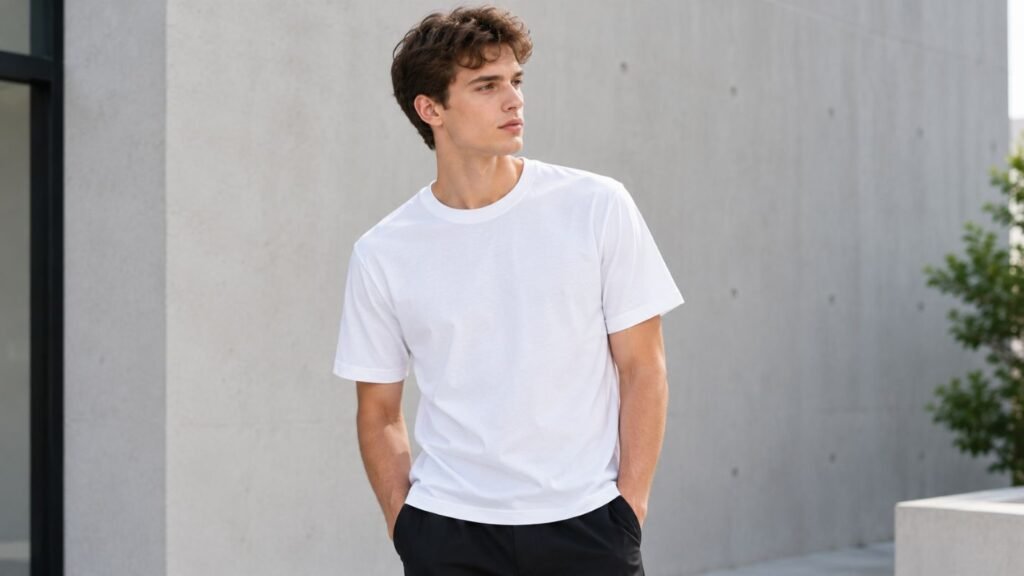
Choosing the right cotton yarn is an important step when developing custom T-shirts for a clothing brand. Although combed cotton and carded cotton are both widely used in cotton apparel, they differ in fiber preparation, yarn characteristics, surface appearance, and potential production cost.
Understanding combed cotton vs carded cotton can help clothing brands make better fabric decisions, balance product quality with budget, and create T-shirts that match their target customers’ expectations. In this guide, we explain how the two materials differ and how to choose the right option for your next custom T-shirt collection.
1. What Is Combed Cotton?
Combed cotton is cotton yarn made from fibers that undergo an additional combing process after the initial cleaning and carding stages. During combing, shorter fibers and some remaining impurities are removed, while the longer fibers are aligned more evenly.
This additional processing generally produces a more uniform yarn with a smoother surface. When knitted into T-shirt fabric, combed cotton can provide a soft hand feel and a clean, refined appearance.
Key Characteristics of Combed Cotton
- Smooth surface: The more uniform yarn can create a cleaner fabric appearance.
- Soft hand feel: Combed cotton is often selected for garments where softness is a priority.
- More uniform yarn: Removing shorter fibers can help improve yarn consistency.
- Potentially better pilling performance: The removal of short fibers may reduce some causes of pilling, although actual results depend on yarn construction, fabric structure, finishing, and garment care.
- Higher processing cost: The additional combing stage can increase yarn costs compared with otherwise similar carded cotton.
Combed cotton is commonly considered for premium basics, retail T-shirts, lifestyle collections, and private label apparel where fabric hand feel and appearance are important selling points.
2. What Is Carded Cotton?
Carded cotton is produced using the carding process, which separates and aligns cotton fibers while removing a portion of the impurities and tangled fibers. Unlike combed cotton, carded cotton does not undergo the additional combing stage used to remove more short fibers.
Carded cotton is widely used in everyday apparel because it can offer a practical balance between comfort, functionality, and cost. Its characteristics vary according to the cotton quality, yarn count, spinning method, knitting construction, and finishing process.
Key Characteristics of Carded Cotton
- Cost-effective option: Skipping the additional combing stage can reduce processing costs.
- Versatile applications: Carded cotton can be used for everyday T-shirts, promotional garments, and other cotton apparel.
- Natural cotton feel: The fabric can provide the familiar comfort and breathability associated with cotton.
- Potentially less uniform surface: Depending on yarn quality and finishing, carded cotton may have a less smooth appearance than comparable combed cotton.
- Different quality levels: Carded cotton is not automatically low quality. The final result depends on the raw material and manufacturing specifications.
For brands developing affordable basics or large-volume promotional T-shirts, carded cotton may be a suitable choice when the material meets the required standards for appearance, comfort, and durability.
3. Combed Cotton vs Carded Cotton: Key Differences
The main difference between combed cotton and carded cotton is the fiber preparation process. Combed cotton receives an additional treatment to remove more short fibers and improve fiber alignment. This often results in a more uniform yarn, while carded cotton can provide a more economical alternative.
| Comparison Factor | Combed Cotton | Carded Cotton |
|---|---|---|
| Fiber preparation | Carding followed by additional combing | Carding without the additional combing stage |
| Yarn uniformity | Generally more uniform | Depends on fiber quality and spinning specifications |
| Fabric surface | Often smoother and more refined | May have a less uniform appearance |
| Hand feel | Often selected for a softer, smoother feel | Can feel comfortable, depending on yarn and finishing |
| Pilling performance | May benefit from reduced short-fiber content | Depends on yarn, fabric construction, and finishing |
| Processing cost | Usually higher for otherwise comparable yarns | Can be more economical |
| Typical applications | Premium basics and retail apparel | Everyday basics and promotional apparel |
These differences are general tendencies rather than guarantees. A high-quality carded cotton fabric may outperform a poorly specified combed cotton fabric in some respects. Brands should compare actual fabric samples and specifications instead of relying on the yarn name alone.
4. Which Cotton Is Softer for T-Shirts?
Combed cotton is often chosen when a smoother, softer hand feel is a priority. Removing more short fibers and aligning the remaining fibers can produce a more uniform yarn surface, which may contribute to a refined feel against the skin.
However, softness is not determined by combing alone. Cotton fiber quality, yarn count, knitting structure, fabric weight, dyeing, and finishing can all affect the final result.
For example, a well-finished carded cotton jersey may feel more comfortable than a coarser combed cotton fabric with a different construction. If your brand sells premium everyday T-shirts, request physical swatches and compare them directly before making a decision.
5. Which Is More Durable: Combed Cotton or Carded Cotton?
Combed cotton can offer advantages in yarn uniformity because the combing process removes more short fibers. This may contribute to improved yarn performance and help reduce some forms of surface fuzz and pilling.
Nevertheless, it is not accurate to assume that every combed cotton T-shirt will last longer than every carded cotton T-shirt. Garment durability also depends on several factors:
- Cotton fiber quality and staple length
- Yarn count and spinning quality
- Fabric construction and GSM
- Stitch density and garment workmanship
- Dyeing and finishing processes
- Shrinkage control and colorfastness
- Washing conditions and garment care
If durability is important to your product positioning, evaluate the actual fabric and finished garment. Relevant testing may include dimensional stability, colorfastness, seam performance, and pilling resistance.
6. Is Combed Cotton More Expensive Than Carded Cotton?
Combed cotton is generally more expensive than comparable carded cotton because its production requires an additional processing stage and removes some shorter fibers from the usable fiber supply. The actual price difference varies with cotton quality, yarn specifications, sourcing conditions, and order volume.
For clothing brands, the right question is not simply which yarn costs less. It is whether the fabric delivers the performance and appearance required for the intended retail price.
When Combed Cotton May Be Worth the Extra Cost
- You are developing premium or mid-to-high-end T-shirts.
- Your brand emphasizes softness and a refined fabric surface.
- You want a consistent material for a long-term product line.
- Your customers expect a higher-quality everyday basic.
When Carded Cotton May Be a Practical Choice
- You are producing budget-friendly basic T-shirts.
- The garments are designed for promotional campaigns or events.
- Cost efficiency is a major purchasing consideration.
- The selected fabric already meets your quality and appearance requirements.
Other cost factors also matter, including fabric weight, garment construction, printing, embroidery, labels, packaging, and order quantity. For more detail, read our guide to custom T-shirt bulk order costs.
7. Which Cotton Should You Choose for Your Clothing Brand?
The best choice depends on your target market, product positioning, expected retail price, and customer expectations. Consider the following scenarios when developing your next T-shirt collection.
Premium Basics and Everyday Essentials
Combed cotton is a strong starting point for brands that prioritize a smooth hand feel, a refined surface, and a premium everyday wearing experience. It can be suitable for crew-neck T-shirts, fitted styles, and minimalist wardrobe essentials.
Streetwear and Fashion Collections
For streetwear, fabric weight and structure can be just as important as the yarn preparation process. A heavyweight combed cotton fabric may suit a clean, premium look, while a different cotton construction or finish may be better for a vintage-inspired aesthetic.
Compare GSM, drape, surface texture, and fit before deciding. Our guide to choosing fabric for custom T-shirts explains how these specifications work together.
Promotional T-Shirts and Budget-Friendly Basics
Carded cotton can be a sensible option for promotional T-shirts and price-sensitive product lines when the selected fabric meets the required standards. However, a lower yarn cost should not come at the expense of unacceptable shrinkage, inconsistent sizing, or poor colorfastness.
Private Label T-Shirts
For private label products, choose the material that supports your brand promise and target selling price. Confirm the exact fabric specification with your manufacturer so the same material can be referenced during repeat production.
8. What Should Brands Check Before Bulk T-Shirt Production?
Whether you choose combed cotton or carded cotton, testing the fabric before bulk production helps reduce the risk of inconsistent quality. A fabric description alone is not enough to confirm that a material is right for your product.
Before approving your order, consider checking the following:
- Fiber composition: Confirm whether the fabric is 100% cotton or a cotton blend.
- Yarn specification: Ask for details about the yarn type and count where relevant.
- Fabric weight: Confirm the target GSM and acceptable production tolerance.
- Hand feel and appearance: Compare physical swatches under consistent conditions.
- Color consistency: Check the approved color standard and available colorfastness results.
- Shrinkage: Evaluate dimensional changes after washing according to your product requirements.
- Surface performance: Assess pilling, fuzzing, and appearance after use or washing where relevant.
- Finished-garment fit: Check measurements, seams, and construction on a sample T-shirt.
If your design includes graphics, confirm that the chosen fabric is compatible with your selected printing method. Our guide to screen printing vs. DTG for custom T-shirts can help you compare common options.
9. How a T-Shirt Manufacturer Can Help You Select the Right Cotton
A qualified manufacturer can help translate your product concept into practical fabric and production specifications. Instead of choosing a material based only on its name or price, discuss your target hand feel, fabric weight, fit, appearance, order volume, and budget with your production partner.
A manufacturer should be able to help you evaluate:
- Available combed and carded cotton fabric options
- Fabric composition, yarn specifications, and GSM
- Color matching and fabric availability
- Printing, embroidery, and private label requirements
- Sample development and fit adjustments
- Bulk production quality standards and inspection procedures
Before committing to a production run, request a sample made with the intended fabric and confirm the final specifications in writing. For additional sourcing advice, read our guide on how to find a reliable T-shirt manufacturer in China.
10. Frequently Asked Questions
Is combed cotton better than carded cotton?
Combed cotton is often preferred for its smoother yarn and refined fabric surface. Carded cotton can be a practical, more economical option. The better choice depends on your quality requirements, target price, and intended use.
Is carded cotton low quality?
No. Carded cotton is a widely used material, and its quality depends on the cotton fibers, spinning specifications, fabric construction, and finishing. It should not automatically be considered inferior simply because it does not undergo the additional combing stage.
Does combed cotton shrink less than carded cotton?
Not necessarily. Shrinkage depends on the fabric structure, yarn and knitting specifications, finishing process, and whether the material has been pre-shrunk or otherwise treated. Request shrinkage test information for the actual fabric rather than assuming combed cotton will shrink less.
Is combed cotton suitable for heavyweight T-shirts?
Yes. Combed cotton can be used for heavyweight T-shirts, provided the selected yarn and fabric construction meet the desired weight, structure, and performance requirements. GSM and yarn preparation are separate specifications.
Can I use combed cotton for private label T-shirts?
Yes. Combed cotton is commonly considered for private label T-shirts where softness and a refined appearance are important. Confirm the fabric composition, GSM, color, fit, branding details, and quality requirements with your manufacturer before bulk production.
Conclusion: Combed Cotton vs Carded Cotton
When comparing combed cotton vs carded cotton, the key distinction is the additional combing process used to remove more short fibers and improve fiber alignment. Combed cotton is often selected for its smoother surface and refined hand feel, while carded cotton can provide a cost-effective solution for everyday and promotional T-shirts.
Neither option is automatically right for every brand. Evaluate the actual fabric quality, GSM, construction, finishing, performance requirements, and total production cost before making your decision.
Developing a custom T-shirt collection? Beyson Apparel supports OEM and ODM apparel manufacturing for clothing brands, including fabric selection, sample development, customization, and bulk production. Share your design, target fabric, quantity, and branding requirements to discuss a suitable solution.
Contact Beyson Apparel to discuss your custom T-shirt project.
Email: sales@beysonapparel.com
* This article was written by the manufacturing team of Beyson Apparel. We are a clothing ODM/OEM factory with 15+ years of experience, covering products such as Underwear, T-shirt, Polo Shirts, Hoodies, Pajamas, Shorts and more. Direct inquiry, reply within 12 hours *